January 16, 2026

  Blog

Does Microsoft care about what you care about?

My Atlas / Blog

1,257 wordsTime to read: 7 min
Jim Gaynor by
Jim Gaynor

Jim leads the Directions on Microsoft editorial team and has been writing about technology since the early 1990s. Most recently... more

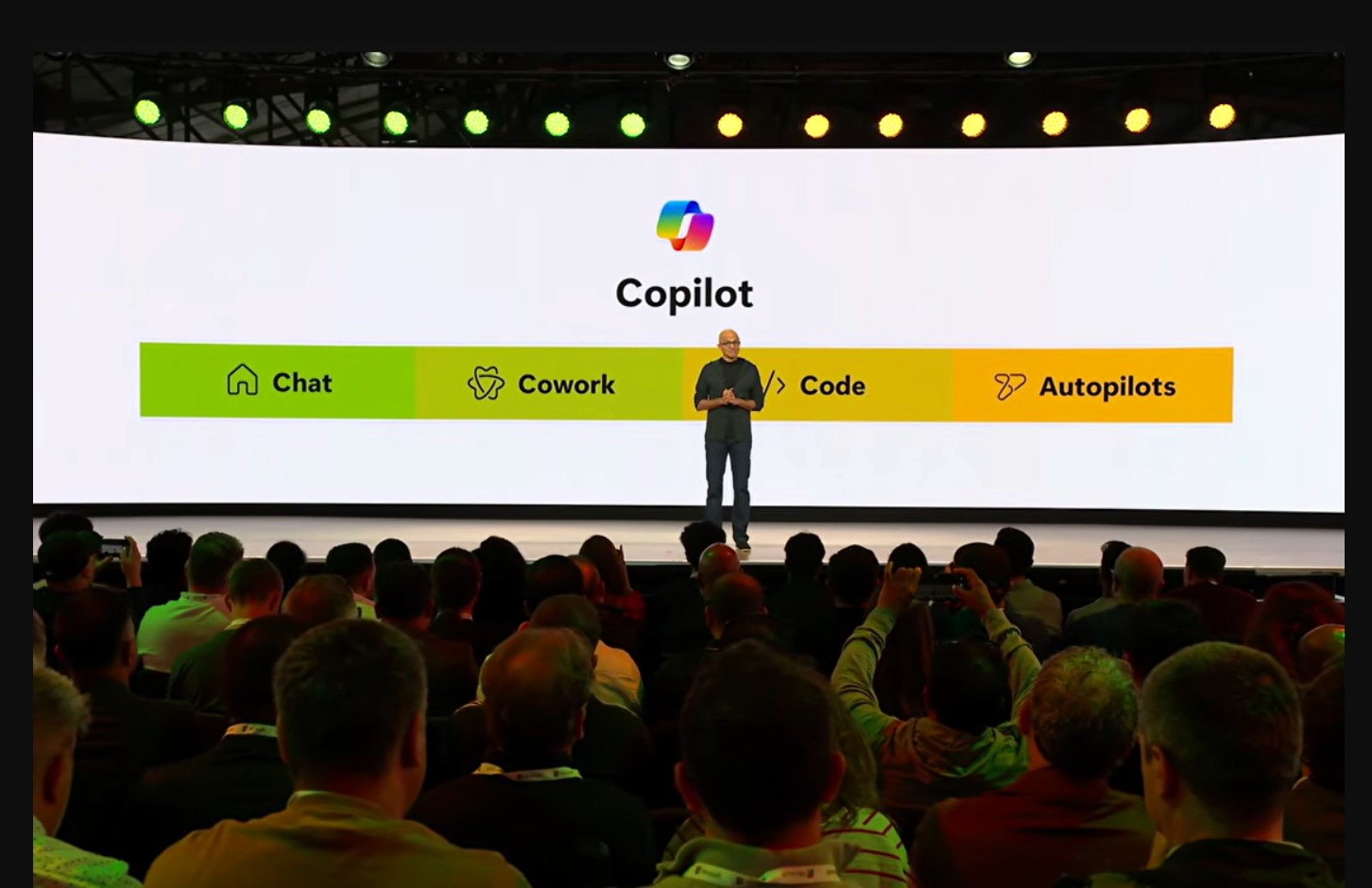
colorful diagram with icons meant to represent AI
Credit: Microsoft

The last three years have seen Microsoft pivot to a hard focus on AI, similar to how the company turned to the web browser and internet in the late 1990s or tried to shoulder up to Apple and Google in mobile in the late 2000s. These days, it seems like every product and group in Microsoft is either finding a way to co-opt the Copilot brand, or forcibly bolting Copilot to some otherwise unrelated technology in an effort to ride the AI wave and be relevant. But unlike those earlier pivots, the AI tsunami comes with the massive expense of building out datacenter infrastructure with expensive servers, thereby forcing Microsoft to cut costs and try to increase revenue elsewhere to feed the beast. 

It’s understandable from a business strategy perspective. Microsoft views AI as an existential development and so do investors looking for the Next Big Thing to move the line and up and to the right. Microsoft’s own lore tells the company it can dominate if it just focuses enough, as it did against Netscape in the “browser wars,” and also warns of the high cost of losing out, as it did with mobile (and Nokia). 

But for the millions of customers that rely on Microsoft for stable, predictable technology, especially the businesses that view tech as a reliable tool for more traditional markets, Microsoft’s focus on AI comes as a heavy tax on the more “boring” technologies they depend on.  

This isn’t entirely new. Customers are used to being pushed in Microsoft’s strategic directions—whether it’s the transition from on-premises Office software to hosted Microsoft 365 services, or changes from perpetual licenses to subscriptions. It usually comes with a mix of carrot and stick, with Microsoft cajoling customers forward with new features or temporarily lower prices and pushing from the rear by withholding features from legacy products and reducing interoperability with newer services. 

However, the focus on AI is having a greater impact than Microsoft’s previous obsessions strategic pivots. 

The Impact of Betting the Company 

In 2025 Microsoft laid off more than 15,000 across the company. Combined with RTO mandates designed in part to encourage remote workers to resign, many teams were drastically reduced or eliminated. This has scaled back or delayed roadmap milestones on several services, and Microsoft has been even more aggressive at culling long-running “previews” and sunsetting software (just look at our Roadmaps for the growing list of deprecations and retirements.) 

Meanwhile, several long-standing products suffer from benign neglect – still supported but without new features – while reports of quality issues with staple software like Windows client seem to grow. Other groups have been given aggressive revenue goals or sales targets, forcing them to focus on increasing average revenue per user (ARPU) with new add-on licenses and reducing the avenues for customers to negotiate discounts or even directly do business with Microsoft. This includes the broad move of smaller Enterprise Agreement (EA) customers to the Microsoft Customer Agreement (MCA), and the discontinuation of existing discounts for online services provided across all of its EA tiers. 

And although there are undeniable use cases for AI, Microsoft’s relentless rebranding, repackaging, and false starts (Windows Recall, for example) have left customers confused. To make matters worse, heavily marketed new AI capabilities are often attached to Microsoft’s Frontier program which, similar to the older Windows Insider program, provides preview access to features that are unfinished and may never actually ship in a finished state. 

All of this makes doing business more complex for customers operating in an already uncertain environment, and can force unwanted change and uncertainty in places where organizations would prefer stability. But it pushes customers to where Microsoft wants them to be and helps move their AI efforts forward.  

What’s a Disgruntled Customer to Do? 

However, quitting Microsoft isn’t what most customers want either; nobody looking for stability wants that kind of complex change. The current situation emphasizes the importance of not taking the Microsoft relationship for granted or leaving it on “cruise control”, and not assuming that Microsoft will develop their products with your needs first and foremost in mind, especially if your company doesn’t fit the mold of AI-forward “Frontier Firms.” 

Customers need to take an active approach to managing their relationships with Microsoft around the services and software they use, focusing relentlessly on what benefits their own businesses even if it doesn’t align with Microsoft’s strategy. Research and analysis from independent sources (yes, like Directions on Microsoft) can be an invaluable tool. But it’s just as important to internalize that what your business needs and what Microsoft wants are probably not one and the same. 

Strategies exist that you can leverage, even if you’re not fully aligned with what Microsoft wants: 

Give a little, get a little. Microsoft’s sales force is getting high pressure to sell AI services. Use that to your advantage when negotiating your contracts. Maybe buy more M365 Copilot than you planned, in exchange for concessions on things you need like ESUs, exceptions for special use cases, or credits for services that your business already relies on. 

Avoid the FOMO. Yes, there are plenty of white papers and customer cases that Microsoft will tout, and maybe a magic quadrant or two. But there are lies, damned lies, and statistics. When Microsoft says everyone is using Copilot, do they mean the expensive M365 Copilot, or that every search typed into Edge is technically a “Copilot search?” Keep clear of false urgency, and focus on what best benefits your business needs. 

Let some of the dust settle. The landscape is still rapidly changing, even if M365 Copilot technically went GA in late 2023 (as Copilot for Microsoft 365!) Rebranding and repackaging is ongoing, agents have become the newest hot thing, many heavily promoted features are only previews, and industry alliances are still shifting. Act judiciously and focus on solutions with real benefit—the cost of adopting too early based on promises and previews can be higher than a missed opportunity. 

You can learn more about making the best of your relationship with Microsoft from the Directions on Microsoft Briefing podcast, or the Directions YouTube channel

What challenges is Microsoft’s AI monomania creating for your business, and how are you handling it? Email me at jgaynor@directionsonmicrosoft.com.  

Jim leads the Directions on Microsoft editorial team and has been writing about technology since the early 1990s. Most recently he's covered Teams, Windows Server and related OSs, and enterprise... more